The Danger of Raccoon Latrines: Cleanup Safety
Raccoons defecate in communal piles called latrines. These piles are biohazards containing dangerous parasite eggs. Learn how to clean them safely.
HWCS Expert Team
Fast, professional removal and cleanup of deceased wildlife
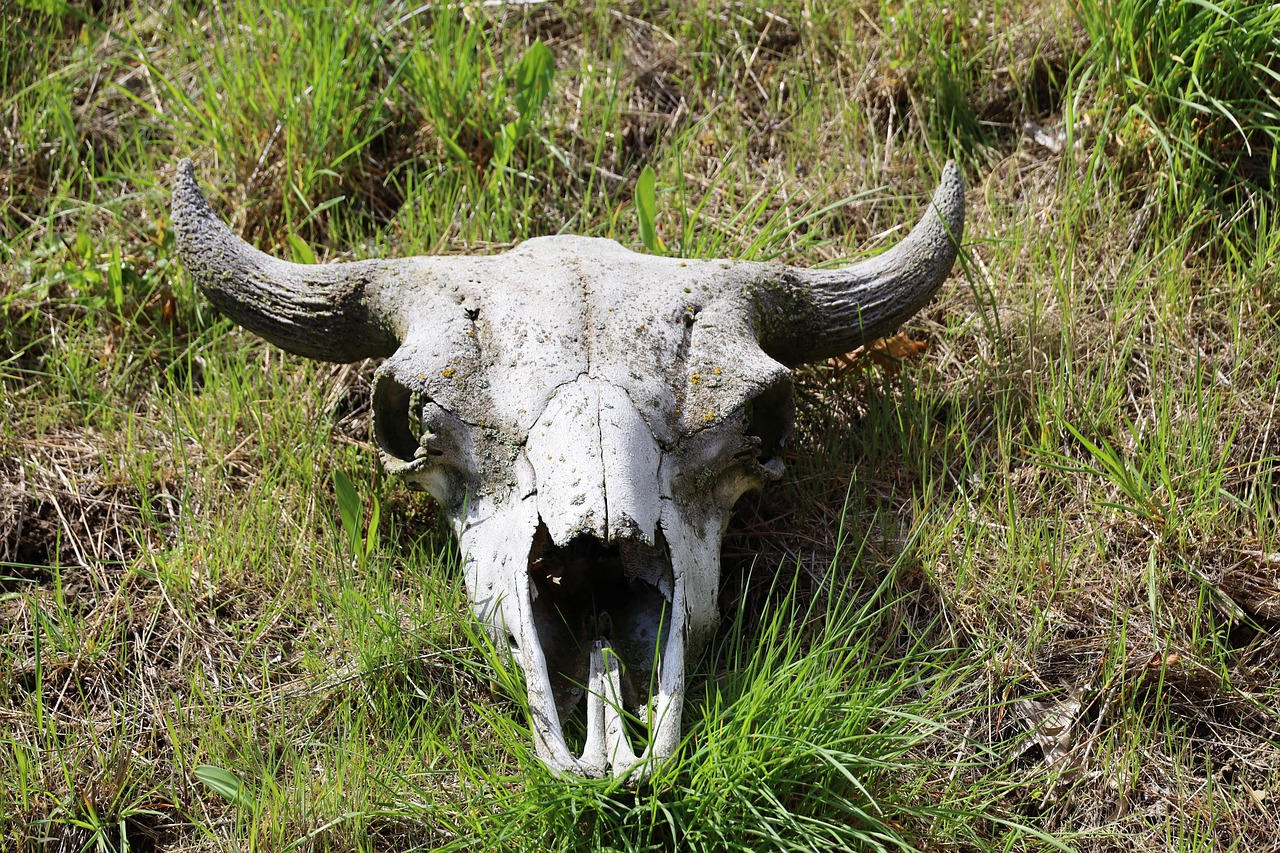
When a deceased animal is discovered in or around your home, professional removal is essential to protect your health and property. The decomposition process can create serious health risks and property damage that require immediate attention.
Our professional removal services address:
Our removal and sanitization methods meet or exceed industry standards for safety and effectiveness.
Common location for animals seeking shelter, particularly during winter.
Animals often become trapped inside walls while seeking pathways.
Dark, secluded areas that attract wildlife seeking shelter.
Animals can fall in and become trapped without proper caps.
We follow a comprehensive process to ensure thorough removal and decontamination:
Thorough assessment to locate the deceased animal and identify any additional issues.
Safe removal of the deceased animal and contaminated materials using proper protective equipment.
Professional cleaning and decontamination of the affected area to eliminate health risks.
Sealing entry points and implementing measures to prevent future wildlife access.
Comprehensive dead animal removal and cleanup services.
Professional removal of deceased animals from your property.
Complete sanitization of affected areas to eliminate health risks.
Restoration of areas damaged by animal decomposition.
Implementation of measures to prevent future wildlife entry.
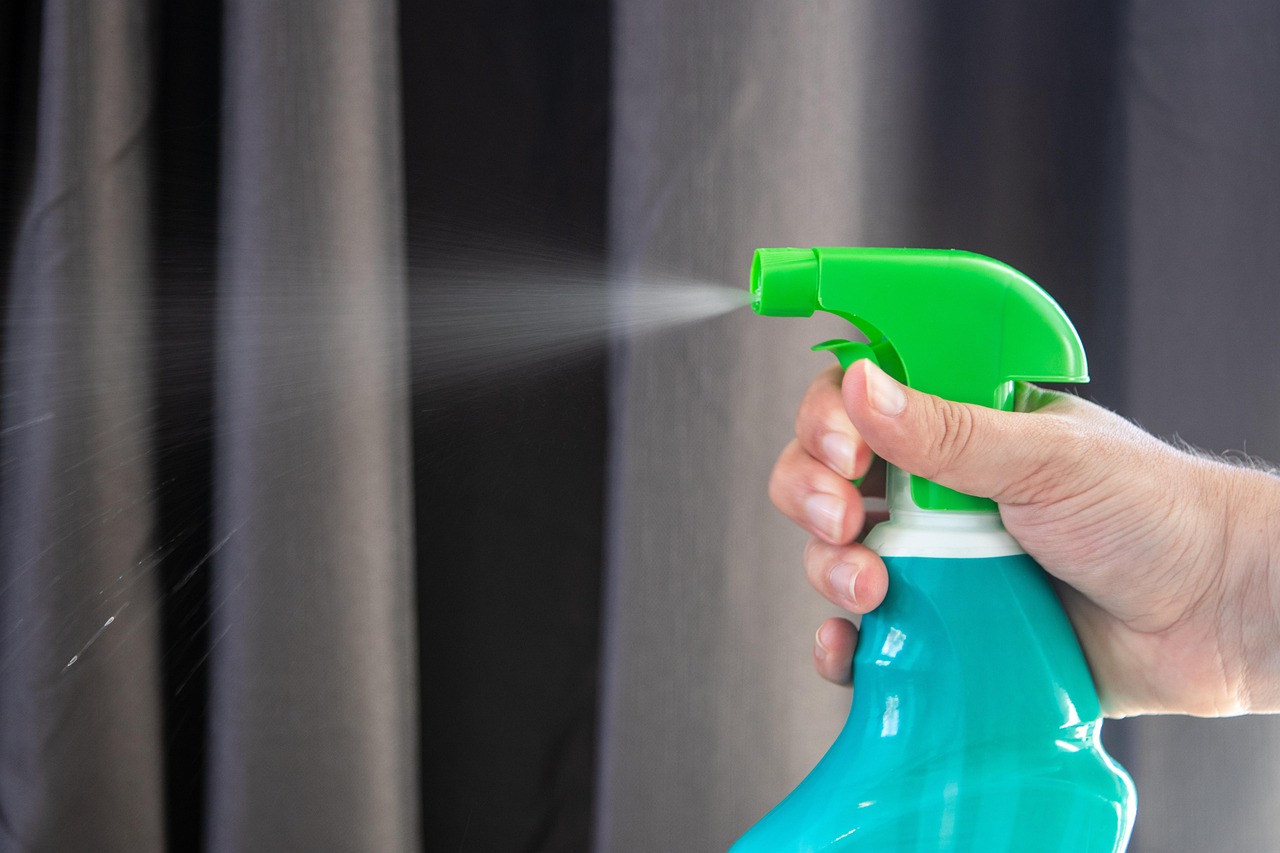
Dead animal removal requires professional attention due to several important health and safety factors:
Deceased animals can harbor dangerous bacteria, viruses, and other pathogens that pose serious health risks.
Fleas, mites, and other parasites often leave a deceased host to seek new hosts, potentially infesting your home.
Decomposition can cause permanent damage to building materials and create lingering odor problems if not properly addressed.
Dead animals must be disposed of according to local regulations to prevent disease spread and environmental contamination.
We prioritize dead animal removal calls due to health risks and odor concerns. In most cases, we can respond within 24 hours, with emergency service available for situations requiring immediate attention.
We use a combination of methods including thermal imaging cameras, moisture meters, and specialized inspection tools to locate deceased animals. Our experienced technicians can also identify likely locations based on common wildlife behavior patterns and visible signs.
While odors will eventually dissipate, this can take weeks or months depending on conditions, during which time the decomposition can cause additional problems. Professional removal and decontamination is always recommended to address health risks and prevent property damage.
Our technicians are trained and equipped to access most areas of your home, including confined spaces. If necessary, we can create small access points in walls or ceilings to remove the animal and affected materials, then repair these openings as part of our service.
Learn more about wildlife control from our expert articles.
Raccoons defecate in communal piles called latrines. These piles are biohazards containing dangerous parasite eggs. Learn how to clean them safely.
Zoonotic diseases can jump from animals to humans. Understand the real risks of Rabies, Hantavirus, and Histoplasmosis to keep your family safe.
A foul odor in your home often points to a deceased animal in the walls or crawlspace. Learn the health risks and how professionals handle dead animal removal.
Contact us for fast, professional removal and cleanup services.
Contact Us Today